
Street, high-mast and area lighting is outdoor lighting infrastructure for roads, toll plazas, yards and campuses. It includes LED luminaires, poles or masts, foundations, underground cabling, control panels and timers. We design to the lux and uniformity needed for the task, build the foundations and cabling, and test the system before handover.
At a glance
- Our scope
- LED street lights, high-mast and mid-mast, controls and timers, pole foundations and cabling
- Typical timeline
- 3 to 8 weeks for a yard or plaza, longer for kilometres of road, depending on foundation curing and approvals
- Key standards
- IS 1944 for road lighting, IS 10322 for luminaires, IS 3043 for earthing
- What you receive
- Lux plan, foundation and cable drawings, test reports and a control schedule
- Best suited for
- Highways, toll plazas, townships, industrial yards and municipal projects
- Site survey
- Layout, soil and power point survey with night lux reading if upgrading
Street, High-Mast & Area Lighting Overview
Outdoor lighting is a safety system first and an aesthetic one second. A poorly lit toll lane, truck yard or township road invites accidents, theft and complaints. Good lighting puts the right amount of light on the surface, evenly, without glare for drivers or spill into neighbouring property.
We design and build three main types. Street lights on poles, commonly 6 to 12 metres high, serve roads and internal streets. High-mast systems, usually 20 to 30 metres with a lowering or fixed head carrying several floodlights, light large open areas such as plazas, yards and junctions. Mid-mast and area lighting on 10 to 15 metre poles fill the space between.
The decisions that matter are made before a pole is erected: the lux target, pole height and spacing, luminaire optics, foundation design for wind and soil, cable route and circuit protection, and how the lights will be switched. We prepare a lighting layout with calculated lux and uniformity, so you can check the result against the requirement before spending money.
Shruti IT Service has installed lighting at toll plazas, industrial yards, campuses and municipal sites across Maharashtra since 2014. We handle civil foundations, cabling, earthing and panels together, and we also install the CCTV and network equipment that often shares the same poles.
Ideal for: Highways, toll plazas, townships, industrial yards and municipal projects.
What Our Street, High-Mast & Area Lighting Includes
Our lighting scope covers design, civil foundations, cabling, erection and controls, with measured results at handover.
LED street-light installation
We supply and install LED luminaires on poles with correct optics, driver protection and wiring. Spacing and mounting height follow the lighting layout. Tip: ask for the luminaire test data and IP rating, as cheaper units often hide poor thermal design that shortens life.
High-mast and mid-mast lighting
We erect masts with floodlight heads and, where specified, lowering gear for ground-level service. Aiming angles follow the design. Tip: choose lowering gear for masts above 20 metres, since climbing for every lamp or driver change is slow and unsafe.
Lighting control and timers
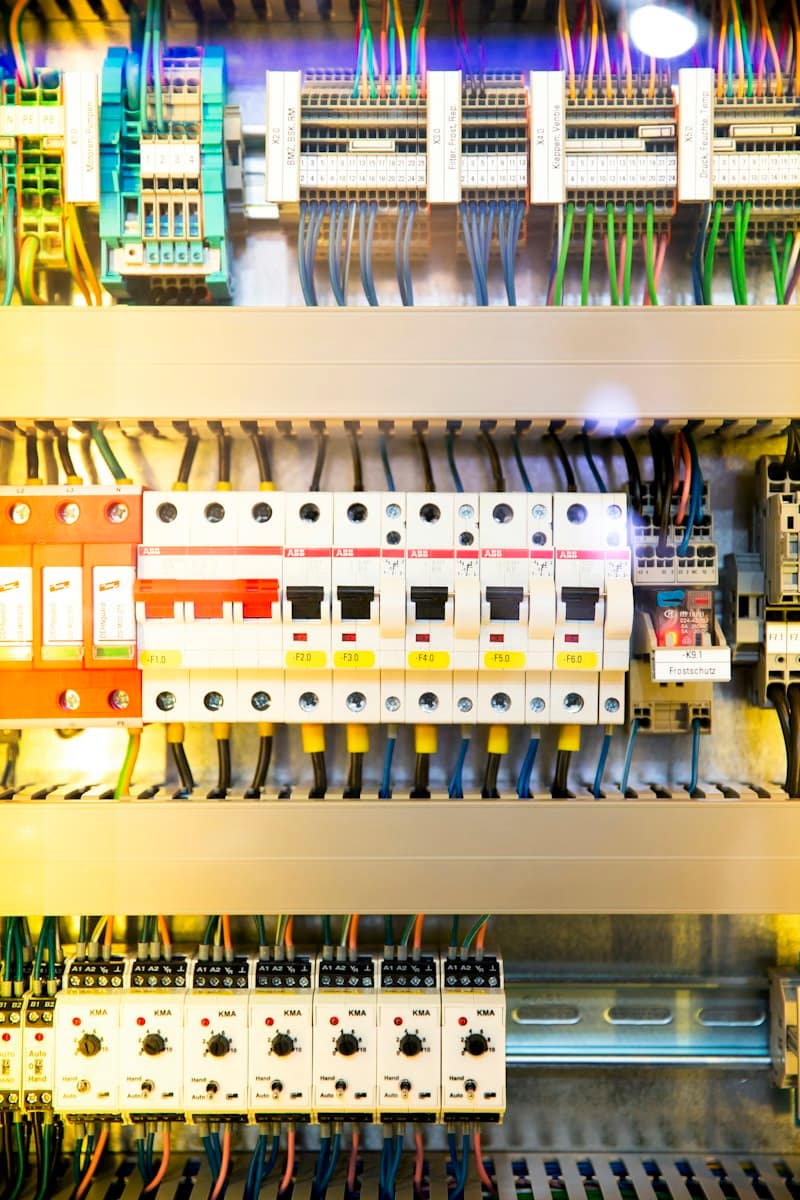
Control panels with contactors, photocells, timers or astronomical clocks switch the lights, and dimming profiles can cut late-night use. Tip: keep a manual override and a clear on and off schedule, because time settings drift after power cuts.
Pole foundations and cabling
We cast foundations sized for wind and soil with templated anchor bolts, and lay underground cables in sand-bedded trenches or ducts with route markers. Tip: share any soil report you have, since foundation depth is the largest hidden cost item.
Lux measurement and handover testing
After installation we measure lux at grid points, check uniformity against the design and record insulation and earth values. Tip: take readings on a dry night, and keep the sheet, since it is evidence if the design is questioned later.
Why outdoor lighting projects disappoint
The usual complaint is dark patches between bright spots. It happens when poles are placed by spacing rule without calculation, or when luminaires with the wrong optics are used. A lighting plan with calculated uniformity shows these gaps on paper, where they cost nothing to fix.
Foundations are the second source of trouble. A high-mast on a foundation designed without soil data can tilt or crack during heavy winds, which are common in monsoon storms. Pole foundations that are not levelled, or anchor bolts that are not templated, make poles lean and lights aim in the wrong direction.
Maintenance is the third. Lights are placed where a crane cannot reach, cables run in thin conduits that fail under vehicle loads, and each pole has no fuse or isolator, so one fault darkens a long stretch. Designing for access and sectionalising is cheap at the start and expensive to retrofit.
What You Gain
Lux and uniformity by design
The lighting layout is calculated for the surface and task, so you see average lux and uniformity before installation, not after complaints.
Foundations built for wind and soil
Pole and mast foundations are sized for height, head load and soil bearing, with templated anchor bolts for correct alignment.
Lower running cost
LED luminaires with proper drivers and timer or dimming control reduce energy use compared with older discharge lamps, and cut lamp replacement.
Sectionalised circuits
Each pole has protection, and circuits are split into sections, so a single fault does not black out a whole road or yard.
Safer approaches and plazas
Even light at toll lanes, junctions and parking reduces glare, shadow and blind spots for drivers and pedestrians, and helps CCTV capture usable images at night.
Maintenance planned in
Access for cranes, lowering gear for high-masts and clear documentation make servicing quick and safe.
How the Work Is Delivered
Lighting jobs combine civil, electrical and controls work. This is the order we use on a typical project.
- 1
Site survey and requirement
We survey the layout, existing power points, soil conditions and obstructions, and agree the lux targets with your engineer or the tender document. For upgrades, we record existing night lux for comparison.
- 2
Lighting design and layout
We select luminaire type, wattage, pole height and spacing, and compute lux and uniformity with lighting software. The layout and BOQ are issued for your approval.
- 3
Foundation design and civil work
Foundation size comes from pole height, head load and soil bearing. We fix anchor bolt cages with templates, pour and cure concrete, and check levels before erection.
- 4
Cable route and circuit installation
Underground cable is laid in ducts or trenches with sand bedding and route markers, with joint boxes or pole-base fuse units. Circuits are split into sections for easier fault finding.
- 5
Pole, mast and luminaire erection
Poles are erected with cranes, plumbed and bolted. High-masts are fitted with lowering gear or access platforms as specified. Luminaires are aimed and locked at the design angles.
- 6
Controls, testing and commissioning
Control panels with timers, photocells or astronomical clocks are wired and set. We test earth continuity, insulation resistance and lux on the site, and compare with the design.
- 7
Handover and AMC
You receive layout drawings, cable details, test and lux records, and a control schedule. Periodic maintenance, lamp or driver replacement and lowering gear checks can be covered under AMC.
Luminaires, masts and controls explained
LED street lights come in optics designed to spread light along a road with controlled upward light. Luminaire wattage is chosen to meet lux at the chosen pole height and spacing, and a typical rule is that a taller pole allows wider spacing but needs a higher output luminaire. Drivers need surge protection, because outdoor lights see induced surges from storms. High-mast heads carry several floodlights, and a lowering mechanism lets technicians service them at ground level instead of climbing 25 metres.
Control choices affect both energy use and reliability. A photocell switches lights on at dusk, a timer or astronomical clock follows sunset and sunrise, and dimming profiles reduce output late at night on low-traffic roads. A control panel at the start of each circuit holds the contactor, protection and timer. Earthing of each pole is connected back to a continuous earth conductor along the cable route, tested at commissioning.
IS 1944 for road lighting
Guides lux levels, uniformity and glare control for roads based on traffic type. We use it as the basis of the lighting design for roads and junctions.
IS 10322 for luminaires
Covers luminaire construction and performance. We request test data and ingress protection ratings suited to outdoor use, such as IP65 for the optical unit.
Wind loading on masts
Mast and pole design considers the wind speed zone and head frame area. Foundation size depends on this load and the soil bearing capacity.
IS 3043 for pole earthing
Each metal pole is bonded to a continuous earth conductor, with earth electrodes at intervals. Continuity and resistance are tested before commissioning.
Lux and uniformity targets
Average lux and the ratio of minimum to average lux are set by the area's use. Toll lanes, junctions and parking need different values, and we state ours in the design.
Worked example: lighting for a 4 hectare truck yard
A logistics yard of 4 hectares needs lighting for truck movement, loading bays and a perimeter road. The owner wants an average of around 20 lux in the yard, with better uniformity at the loading bays, and wants CCTV cameras mounted on some of the same structures. The ground is hard murram with moderate bearing capacity.
We propose six 25 metre high-masts with lowering gear, each with a head of LED floodlights, placed to cover the yard with overlapping beams. The perimeter road gets 9 metre poles at spacing set by the calculation. The lighting software shows average lux and uniformity, and we adjust floodlight aiming angles before the layout is approved.
Foundations are cast with templated anchor bolts. A cable ring feeds each mast through its own protection, and the control panel uses a timer with a photocell override. After erection, we measure lux at grid points and compare with the design, then record earth resistance and insulation tests.
- Lux layout with average and uniformity values before installation
- Foundation drawings matched to soil and wind data
- Measured lux readings recorded at commissioning
- Lowering gear and access instructions in the O&M file
This is an illustrative scenario built from typical site conditions. Actual quantities, timelines and results depend on your site survey.
Street, High-Mast & Area Lighting Across Four States
We are based in Nashik and deliver across Maharashtra, Gujarat, Madhya Pradesh and Rajasthan. Each state has its own utilities, approvals and site conditions, and these are the points that matter most for this service.
Maharashtra
Maharashtra highway, toll plaza and MIDC lighting projects are common. Pole foundations must suit local soil and wind, monsoon wiring needs sealed joints, and many sites need coordination with the road owner for approvals and shutdown windows. We also check wiring and photocell settings after the first monsoon, when most early lighting faults appear.
Gujarat
Gujarat's coastal and industrial roads need corrosion protected poles and fittings, typically with hot dip galvanising and proper coating, and high mast designs for strong wind regions. Lighting for ports and chemical zones should follow site safety rules. We also specify coating thickness and fastener material in the BOQ so that corrosion protection can be checked on delivery.
Madhya Pradesh
Madhya Pradesh township, campus and highway lighting often covers long dark stretches. Cable losses over distance matter, so voltage drop is calculated at design stage and photocell or timer control is tested after commissioning. We also plan a maintenance access route, since cranes and lifters need space to reach poles on long stretches.
Rajasthan
Rajasthan lighting sites face heat, dust and sandstorms. Fittings with good thermal design last longer, lenses need cleaning plans, and foundations for high mast in loose sandy soil need careful design and checking. We also include a cleaning interval for luminaires, since dust cuts light output well before the lamp itself fails.
Where This Work Is Most Often Needed
Why Teams Work With Us on This
Civil, electrical and controls together
We handle foundations, cabling, erection and panels, so there is no gap between the pole and the power that feeds it.
Lux numbers you can check
We deliver a calculated layout and measured readings, so the result can be compared with the specification.
Poles that carry cameras too
Because we install CCTV and network systems, pole height, power and earthing are planned for camera mounting as well.
Site teams from Nashik
Crews and cranes mobilised from Nashik, with visits planned by route, cut the time between a fault report and a repair on highway and yard sites.
Need AMC for an existing system?
We maintain installations done by other vendors too, after a short audit of what is already on site.
Guides and Projects Related to This Service
- ArticleSizing a Rooftop Solar Plant and Checking Its Payback: A Worked Example
- ArticleWhat to Ask Before You Sign an AMC: A Checklist for Buyers
- ArticleHow to Size a UPS and Battery Bank: A Worked Example for a Small Server Room
- ArticleVoltage Drop in CCTV Cable: Choosing the Right Size for 12 V Cameras
- ArticleIndustrial Electrical Infrastructure: Earthing, Panels & Safety Compliance
Frequently Asked Questions
01How many lux do I need for a yard or road?
It depends on use. Roads follow IS 1944 classes based on traffic, and yards usually target a lower average with higher values at loading and gate areas. Common yard designs fall in the range of roughly 10 to 30 lux average. We agree the target with you, then calculate the layout to meet it.
02What is the difference between high-mast and street lighting?
Street lights sit on poles of about 6 to 12 metres and light a road or path, while high-masts rise 20 to 30 metres with multiple floodlights to light wide areas such as plazas, yards and junctions. High-masts use fewer poles and give even light over large areas, but need heavier foundations and lowering gear.
03How long does a lighting installation take?
A yard or plaza commonly takes 3 to 8 weeks, and several kilometres of road takes longer. Foundation curing, crane access, cable permissions and monsoon rain are the main drivers of time. We plan civil work first and keep the electrical sections ready, so poles go up as soon as foundations reach strength.
04Are LED street lights worth the cost?
Usually yes for lights that burn 10 to 12 hours a night, because LEDs use much less energy than discharge lamps and need fewer replacements. Payback depends on tariff, wattage and run hours. Quality matters, so check driver surge protection, thermal design and warranty terms before comparing only on price.
05Who is responsible for approvals for roadside lighting?
The road owner, highway authority or municipal body normally controls permissions for work on public roads, and the power connection belongs to the utility. We prepare the technical drawings and coordinate on site, but approvals come from those bodies. Confirm early who applies for them, since delays here affect the whole programme.
06How do you keep a whole road from going dark when one light fails?
By sectionalising the circuit and fusing each pole. Each pole gets its own fuse or MCB at the base, and the road is split into several sections fed from the control panel. A single failed luminaire or cable fault then affects one pole or one section, and it is easier to find and fix.