
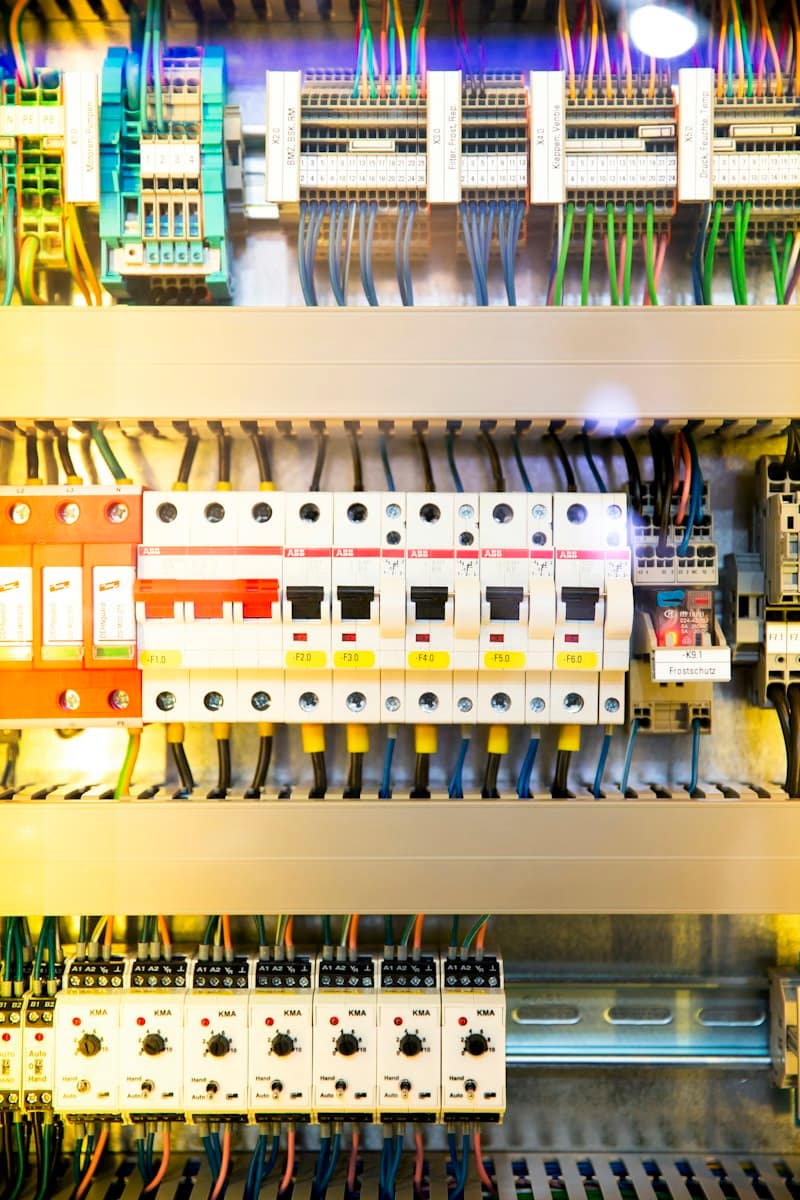
Earthing and lightning protection are the systems that carry fault current and lightning energy safely into the ground. They include earth electrodes or pits, bonding, air terminals, down-conductors and surge protection devices. We design them to IS 3043 and IS/IEC 62305, then test and record earth resistance so the protection is proven, not assumed.
At a glance
- Our scope
- Chemical and conventional earth pits, arresters, down-conductors, SPDs and earth resistance testing
- Typical timeline
- 1 to 3 weeks for a plant, a few days for a pole or small site
- Key standards
- IS 3043 for earthing, IS/IEC 62305 for lightning protection
- What you receive
- Earthing layout, pit records, earth resistance report and SPD schedule
- Best suited for
- Industrial sites, CCTV and telecom poles, toll plazas and solar plants
- Site survey
- Soil, structure and equipment survey before design
Earthing & Lightning Protection Overview
Earthing does two jobs. It gives fault current a low resistance path so protective devices trip quickly, and it holds metalwork near earth potential so people are not exposed to dangerous voltages. Lightning protection adds a third job, which is to intercept a strike and lead its energy to ground without damaging the structure.
On many sites earthing is treated as a pit with a pipe and some salt. In practice, resistance depends on soil, moisture, electrode depth and number of electrodes, and it changes with the seasons. In Maharashtra, dry summer soil and black cotton soil in some regions can raise resistance sharply, which is why design starts with a soil survey.
We design earthing for the transformer neutral, equipment bodies, control and signal systems and lightning down-conductors, and we bond them where the code requires. For electronic systems such as CCTV poles, networks, toll equipment and PLCs, we add surge protection devices on power and data lines, because most electronic damage comes through cables rather than direct strikes.
Shruti IT Service has installed earthing and lightning protection on industrial sites, toll plazas, camera poles and solar plants since 2014. The same team installs the equipment being protected, so earthing and surge devices are matched to the real loads.
Ideal for: Industrial sites, CCTV/telecom poles, toll plazas and solar plants.
What Our Earthing & Lightning Protection Includes
Our earthing and lightning protection scope covers design, construction and measurement of the whole path from strike or fault to ground.
Chemical and conventional earthing pits
We build pits with the electrode and backfill suited to your soil, each with a test chamber. Resistance is measured and recorded. Tip: insist on pit locations marked on a drawing, because buried pits that nobody can find are never tested.
Lightning arresters and down-conductors
Air terminals, down-conductors and test links are designed per IS/IEC 62305 for the structure and its protection level. Joints are clamped or welded. Tip: ask for the risk assessment, since it justifies the level of protection you are paying for.
Surge protection for CCTV, IT and toll equipment
We fit SPDs at main panels, sub-panels, camera and network lines and on lane controllers, with short, straight earth leads. Tip: check the status indicators during each maintenance visit, as an SPD that has taken a hit may no longer protect.
Earth resistance testing and reports
Each pit and the combined system are tested using the fall-of-potential method, with results on a signed sheet. Tip: retest before every monsoon and record readings in the same format, so a rising trend is caught early.
Bonding and equipotential connections
We bond trays, structures, panels and separate earths into one reference system, with test links. Tip: do not leave a separate IT earth unbonded, as the voltage difference during a strike can destroy connected equipment.
Why earthing and lightning systems fail when they are needed
Earth pits degrade silently. Corrosion, dry soil, broken connections and buried pits that nobody can find all raise resistance over time. When a fault occurs, the protective device may not trip, and metal enclosures stay live. Annual testing would reveal this, but many sites have never recorded a single reading.
A lightning rod alone does not protect electronics. Direct strikes are rare, but nearby strikes induce high voltage surges on power and data cables. Cameras, switches, routers and drives fail in clusters after a storm. The cause is missing or badly earthed surge protection, not the lack of a rod on the roof.
Separate earth systems that are not bonded create another hazard. When lightning current flows in one earth, the voltage between it and another earth can reach thousands of volts, flashing across equipment. Good design bonds the systems so they rise together instead of fighting each other.
What You Gain
Safer people and plant
Low resistance earthing lets protective devices trip fast during faults and reduces touch voltage on equipment, lowering shock and fire risk for staff.
Fewer storm-related failures
Surge protection on power and data lines, matched to a proper earth, reduces damaged cameras, switches, drives and controllers after storms.
Measured, not assumed
Earth resistance is tested at each pit and recorded. You know the value, and you can compare it each year to see whether the system is degrading.
Designed for the soil
Electrode type, depth and number of pits are chosen after looking at soil conditions, instead of repeating a standard pit that may not reach the target in your ground.
Structure protected from strikes
Air terminals and down-conductors give lightning a defined path, which protects buildings, tanks, chimneys and solar arrays from direct strike damage.
Insurance and audit readiness
Test reports and layouts help in safety audits and insurance reviews, where earthing and lightning protection evidence is often requested.
How the Work Is Delivered
Earthing and lightning protection depend on measurements, so every stage includes a check and a record.
- 1
Site and soil survey
We inspect structures, equipment and existing earth pits, and measure soil resistivity where needed. We note which equipment is sensitive, where poles and tall structures are, and what bonding already exists.
- 2
Risk assessment and design
Using IS/IEC 62305 we assess whether lightning protection is needed and at what level. We design electrode layout, bonding, air terminals, down-conductors and SPD placement, and prepare a drawing and BOQ.
- 3
Pit construction
Pits are dug to the design depth, electrodes are placed, and backfill compound or chemical material is added. Inspection chambers with covers are fitted so each pit can be tested and watered if required.
- 4
Conductor and down-conductor installation
Earth strips, air terminals and down-conductors are fixed with proper clamps and supports. Joints are welded or clamped to avoid corrosion, and test links are placed for measurement.
- 5
Bonding and SPD installation
Equipment bodies, trays, structures and neutral earths are bonded as designed. Surge protection devices are fitted at the main panel, sub-panels and on data and camera lines.
- 6
Testing and reporting
We measure earth resistance of each pit and of the combined system, and check continuity of bonds and down-conductors. Values are written on a signed report with pit locations.
- 7
Handover and periodic checks
You receive the layout, pit records and test report. We recommend yearly or pre-monsoon testing, which can be done under an AMC, with maintenance of pits and SPD status.
How earthing electrodes and surge devices work
Conventional earth pits use a GI pipe or plate in a backfill of charcoal and salt, while chemical earthing uses a copper or GI electrode in a compound that holds moisture and lowers resistance. Neither is better in every case. Chemical pits suit rocky or dry soil where a deep conventional pit is impractical, while conventional pits work well in moist ground. Target resistance depends on the application, and many plants aim for one ohm or less on the main earth, and far lower for specific high-sensitivity systems if the manufacturer asks.
Surge protection works in stages. Type 1 or Type 2 devices at the main panel divert large surges, and finer devices at equipment inputs clamp what remains. Data and camera lines get their own protectors, since a surge can travel along an Ethernet or coaxial cable. An SPD is only as good as its earth connection, so its conductor is kept short and straight and connected to a low resistance earth bar.
IS 3043 earthing code
Guides electrode design, resistance targets, bonding and testing for electrical installations. It forms the base for our pit layouts and our test acceptance.
IS/IEC 62305 series
Covers risk assessment, protection levels, air terminals, down-conductors and surge protection. We use it to decide if a structure needs protection and what level.
SPD classes and ratings
Surge devices are chosen by type, discharge current and voltage protection level, and by where they sit in the installation. Ratings are matched to the exposure of the site.
Equipotential bonding
All metalwork, trays, pipes and earth systems that could carry lightning or fault current are bonded, so there is no dangerous voltage difference between them.
Earth resistance testing method
We use fall-of-potential testing with correct probe spacing, or a clamp-type tester where suitable, and test in dry conditions to give a conservative value.
Worked example: earthing and surge protection for a toll plaza with ten camera poles
A toll plaza has a booth block, a canopy, ten camera poles along the approach and a small server room. The site is on open ground, exposed to lightning during the monsoon. Soil is murram with seasonal moisture, so summer resistance could rise. The concern is damage to cameras, network switches and lane controllers.
Design starts with a soil check and a risk assessment. The canopy and booth block get an air-termination system with down-conductors to dedicated earth pits. Each camera pole gets its own chemical earth pit, bonded to a common ring through a buried strip so potentials rise together. The server room gets a main earth bar and SPDs at the incoming panel and on each camera cable at the head end.
After installation, we measure each pit in dry conditions and record values, along with the combined ring. A report is added to the handover file, with pit locations marked on a drawing, and we propose pre-monsoon retests each year.
- Pit-by-pit earth resistance values on a signed report
- Common bonded ring joining pole, booth and server earths
- SPDs fitted on power and camera data lines with a schedule
- Pre-monsoon retest date added to the maintenance plan
This is an illustrative scenario built from typical site conditions. Actual quantities, timelines and results depend on your site survey.
Earthing & Lightning Protection Across Four States
We are based in Nashik and deliver across Maharashtra, Gujarat, Madhya Pradesh and Rajasthan. Each state has its own utilities, approvals and site conditions, and these are the points that matter most for this service.
Maharashtra
Earth resistance in Maharashtra varies widely, from rocky Deccan ground to wetter coastal soil. We test soil resistivity during survey, design pits to the measured value and schedule readings in dry and wet seasons so reports reflect real conditions. We also record seasonal readings, so inspectors can see the system stays within limits through the year.
Gujarat
Coastal and saline soil in parts of Gujarat can give low resistance but corrode copper and steel quickly. Material choice and corrosion protection of conductors and joints matter, and lightning exposure is high on tall chemical and port structures. We also use corrosion resistant joints and inspection pits so the earth system can be checked without digging.
Madhya Pradesh
Madhya Pradesh has black cotton soil and rocky ground, and the soil changes sharply between wet and dry seasons. Chemical earthing and moisture retaining backfill help hold resistance stable, and monsoon thunderstorms make surge protection for outdoor equipment important. We also schedule retests after the first monsoon, since readings often shift once the ground has been fully wetted.
Rajasthan
Sandy, dry soil in Rajasthan gives high earth resistance, so more rods, longer electrodes or chemical earthing are often needed. Lightning risk on solar plants and towers is real, and surge protection for cameras and inverters should not be skipped.
Where This Work Is Most Often Needed
Why Teams Work With Us on This
Soil-based design
We choose electrode type and number from soil conditions, not from a standard pit drawing.
Protection for electronics included
As we install CCTV, network and toll systems, surge devices are matched to the real equipment and its cabling.
Readings you can compare
Reports use a consistent format, so each year's test can be compared with commissioning values.
Seasonal test planning
Our Nashik based teams schedule tests and retests around dry and wet seasons, which affect the readings, and plan route visits across all four states.
Need AMC for an existing system?
We maintain installations done by other vendors too, after a short audit of what is already on site.
Guides and Projects Related to This Service
- ArticleSizing a Rooftop Solar Plant and Checking Its Payback: A Worked Example
- ArticleWhat to Ask Before You Sign an AMC: A Checklist for Buyers
- ArticleHow to Size a UPS and Battery Bank: A Worked Example for a Small Server Room
- ArticleVoltage Drop in CCTV Cable: Choosing the Right Size for 12 V Cameras
- ArticleIndustrial Electrical Infrastructure: Earthing, Panels & Safety Compliance
Frequently Asked Questions
01What earth resistance value is acceptable?
It depends on the application. Many industrial plants target one ohm or less for the main earth, while some equipment makers specify lower values for sensitive systems. IS 3043 gives guidance, and the final target comes from the design. What matters is that fault current produces enough voltage to trip protection quickly, and that readings are recorded and tracked.
02What is the difference between chemical and conventional earthing?
Conventional earthing uses a pipe or plate in charcoal and salt, and chemical earthing uses an electrode in a moisture-retaining compound. Chemical earthing helps in dry, rocky soil where deep pits are difficult. Both need periodic testing. Neither is a cure for poor soil, and sometimes more electrodes in parallel are the better answer.
03Does my building need lightning protection?
That depends on a risk assessment under IS/IEC 62305, which considers height, location, occupancy, contents and local strike frequency. Tall, isolated, or high-value structures, tanks and solar plants usually need it. A small low building in a built-up area may not. We prepare the assessment so the decision is documented.
04How often should earthing be tested?
At least once a year, and ideally before the monsoon. Test after any major fault, after repairs near pits and after a heavy lightning strike on site. Record every reading in the same format. A reading that rises year after year signals corrosion or drying, and the pit needs maintenance before it fails.
05Why did my cameras fail even though I have a lightning rod?
A rod protects the structure from direct strikes but does nothing for surges induced on power and data cables from nearby strikes. Those surges damage cameras, switches and drives. You need SPDs on power and data lines, properly earthed and bonded to the same system, to reduce this kind of damage.
06How much does earthing and lightning protection cost?
Cost depends on the number of pits, electrode type, soil, the area to be protected and the number of SPDs. A firm quote needs a survey. Compare offers by stating target resistance, electrode material and test scope, because a cheap quote without test commitment often delivers pits that nobody has measured.