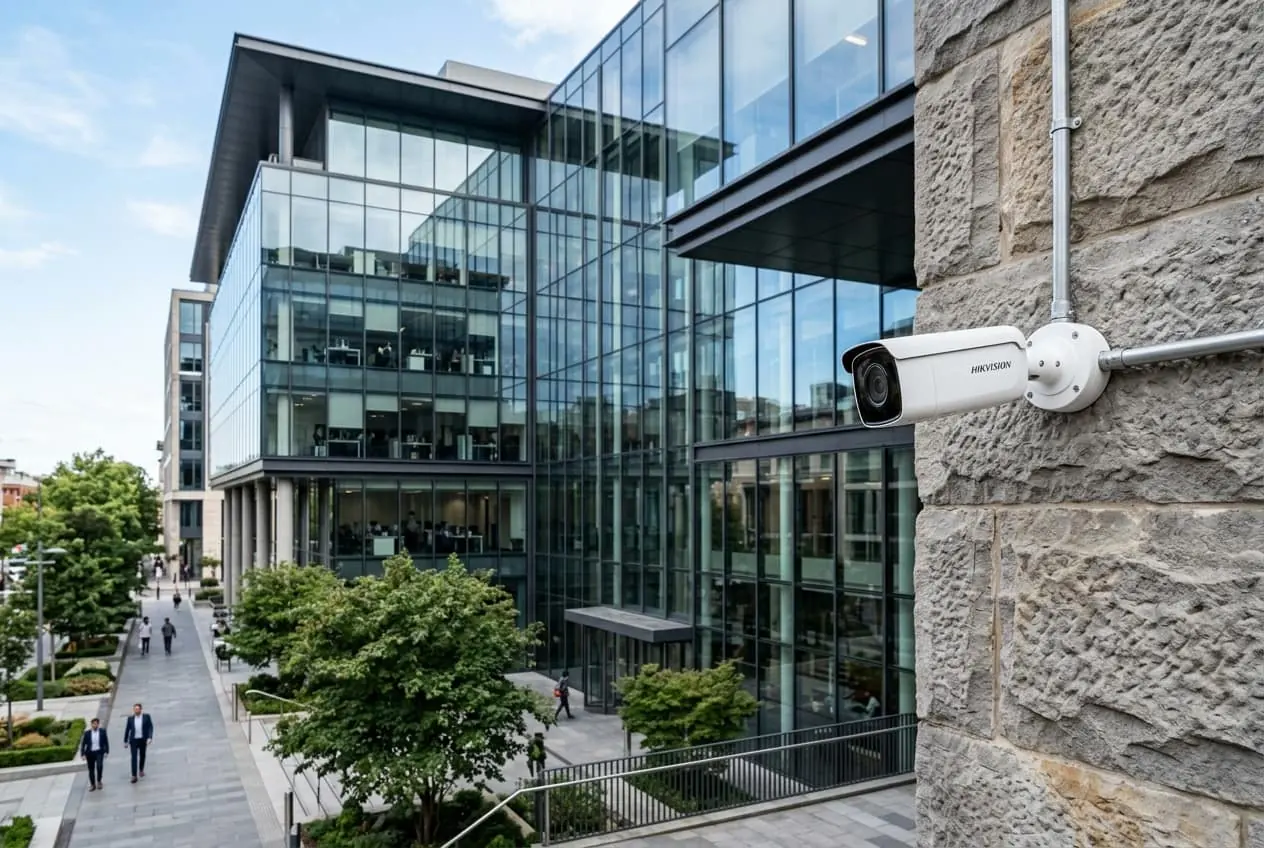
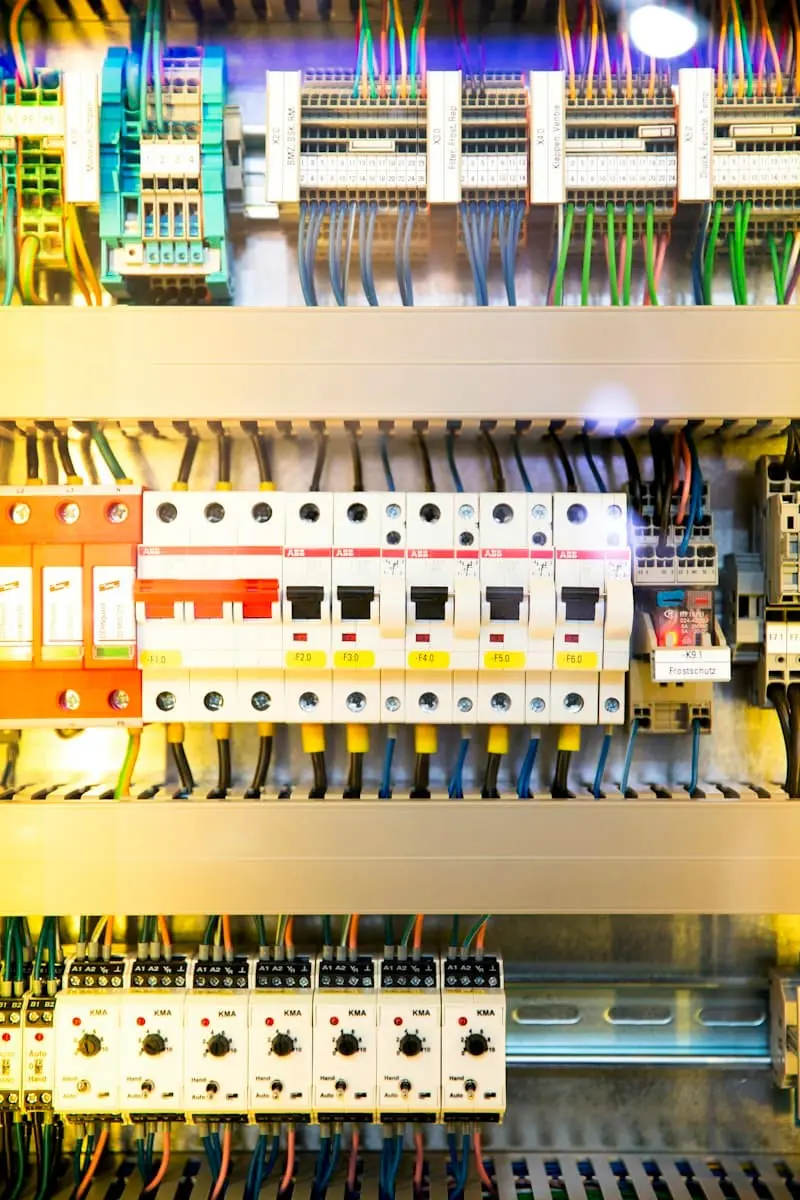
Nashik is where Shruti IT Service is based, and the plants here are a close match for the work we do: engineering and electrical equipment in Ambad and Satpur, agro and wine processing around the district, and defence supply units near Ozar. Plants like these share a few problems. They run shifts, they handle contractors and vehicles all day, and they cannot stop production for an installation. This guide sets out how to plan security, safety and power work for a Nashik plant, with a worked example of a long cable run, which is the problem most yards run into.
Key Engineering Takeaways
- Start with the gate: who and what enters, and the record it leaves.
- Agree shutdown windows with plant management before you finalise the schedule.
- Dust in the MIDC estates and humidity near vineyards call for sealed housings and a cleaning plan.
- Yards are long. Copper stops at 100 metres, so plan fiber for the main links.
- Check earthing and surge protection, because they decide whether the new equipment survives its first monsoon.
- Keep drawings, test records and a maintenance plan at handover.
What should a Nashik plant secure first?
The main gate decides most of the rest. Cameras with number plate capture, a barrier and a pass system for contractors give a record of every vehicle and person. Next come stores, dispatch bays and the boundary, where theft and trespass usually happen.
Plan the recording room carefully. A cooled, powered room with a UPS is cheaper than replacing recorders that overheat in a dusty cabin. Keep the recorder away from the gate cabin, so that a break-in at the gate does not also remove the evidence.
What do the different Nashik estates need?
Ambad and Satpur MIDC are older, dense estates with engineering, electrical and fabrication units. Plots are close together, roads are busy with trucks, and many units share boundary walls. Camera angles need care so that they cover your own boundary and not a neighbour's. Sinnar MIDC at Musalgaon and Malegaon has larger plots and newer plants, where cable routes can still be planned with the civil team.
Gonde and Dindori have food and agro processing units, where hygiene, washdown and seasonal loads matter. Around Ozar and the HAL belt, defence supply chain units often have customer security audits, which means documented access control, visitor records and retention policies. Ask for the customer's requirements at the start, because they can change the design.
How do you install without stopping production?
Ask plant management for the shutdown windows: weekends, festival days and line changeovers. Plan the heavy work, such as panel changes and trenching, for those windows. Do cable pulling and camera mounting in short sessions that do not touch live lines.
Agree who is responsible for permits, hot work approval and safety induction before work starts. These small items cause the biggest delays. Also agree where materials are stored, how contractor staff enter, and who escorts them in restricted areas.
Worked example: a 320 metre link from the gate to the control room
A typical Nashik plant has the main gate at one end and the control room near the production block, with a cable route of about 320 metres. Ethernet over copper is limited to 100 metres per channel, including patch cords. So a plain cable run from the gate cameras to the control room switch cannot work.
The usual answer is a fiber link. A single-mode fiber pair between a small switch in the gate cabin and the control room covers 320 metres with room to spare. Loss is tiny: at about 0.35 dB per kilometre the cable itself loses roughly 0.11 dB over 320 metres, and two connector pairs add something like 1 dB. The total is far inside the budget of ordinary optics. The fiber loss budget guide shows the method.
The gate cabin switch then powers the gate cameras locally and sends everything on one fiber. That means one cable to protect instead of a bundle, no voltage loss, and immunity to the electrical noise that heavy machinery produces. Fiber also isolates the gate from the control room electrically, which helps when lightning hits a yard.
Dust, heat and humidity in the Nashik belts
Ambad and Satpur are dusty, with metal and machining debris in the air. Sealed housings, filtered enclosures and a cleaning schedule keep cameras and cabinets working. Around vineyards and farm processing units, humidity is the bigger issue, so choose enclosures with a suitable ingress protection rating and check seals each year.
Summer heat shortens the life of batteries and recorders. Keep them in ventilated or cooled rooms, and test batteries on a schedule instead of waiting for a failure.
Earthing, surge protection and power
Lightning and switching surges damage electronics, and a poor earth makes it worse. Check the earth resistance, add surge protection on power and data lines that leave a building, and size the UPS for the recording and network load. The UPS sizing guide shows the arithmetic.
If the plant already has a lightning protection system, ask who tests it and when. A system that was installed years ago and never tested may not protect new equipment at all.
Approvals and estates
MIDC estates have their own rules for construction and services, power comes from MSEDCL, and fire systems in larger buildings are reviewed by the Nashik Municipal Corporation fire service or the relevant authority. Confirm each requirement for your plot, because rules change. We prepare the drawings and test records these offices ask for, and the occupier remains the applicant.
Why Nashik clients can call us directly
Our engineers are based in Sinnar and Nashik, so surveys and urgent visits within the city and the nearby estates need no long travel. Response targets are still agreed in the contract for each site, so you know what to expect. Because we maintain what we install, the people who design a system are the people who look after it, which keeps documentation and spares in one place.
Conclusion & Next Steps
A Nashik plant project works when the gate, the shutdown windows and the power are settled first, when long links use fiber, and when the equipment is built for dust and humidity. Keep drawings, test records and a maintenance plan. If you run a plant in Ambad, Satpur, Sinnar, Gonde, Dindori or Ozar, call or WhatsApp us for a free site survey and a written, fixed quote.
Need a site survey or project quote?
Our engineers provide comprehensive BOQs, system designs, and turn-key execution across Maharashtra and neighboring states.
Related services
Want this done at your site? These pages explain the scope, the process and the standards we work to.